FrontStreet Coffee found the following content related to "coffee region" for you

Mandheling coffee beans produced in Sumatra, Indonesia, have been fragrant for more than half a century since the 1960s. The characteristic of Front Street Mandheling coffee has always been its unique bitterness that highlights its most unique sweetness, just like the sweetness and bitterness in life. Front Street once heard a friend use this idiom to describe drinking Front Street Mandheling coffee.
Read more →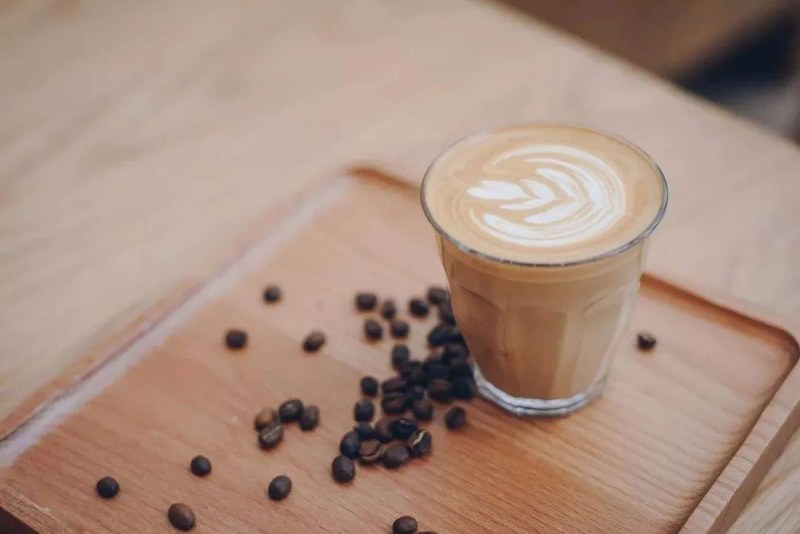
Jamaican Blue Mountain coffee is suitable for slowly establishing judgment based on taste experience. Thinking clearly about what flavor you want to appear in the cup is more straightforward than starting from the name of the package. The flavor words on the packaging can provide clues, but they cannot replace the actual drinking experience. Whether the acidity is soft, whether the sweetness is sustained, and whether the taste is smooth are all worth paying attention to.
Read more →
Single-origin beans usually come from coffee beans from a single region and estate. Single-origin beans usually have their own characteristic aroma and taste, which is often referred to as the flavor of the origin. When single-origin beans are made into espresso, it will have another name: SOE. SOE is Single Origin Espres
Read more →
What is a blended bean? It is a blend of coffee beans from different countries/regions, which usually appears in Italian coffee. Corresponding to the blending is single-origin coffee, also called SOE, which tastes distinct in style, mostly fruit-acid type. The Italian blend combines coffee from multiple places.
Read more →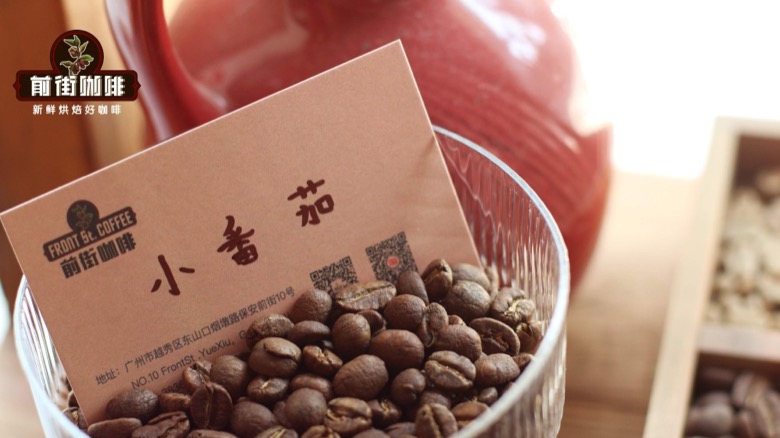
The charm of hand-brewed coffee is that the same coffee fruit grown in different production areas can have completely different flavors in the cup. Since there is no interference from milk and high-pressure extraction in hand brewing, the terroir characteristics of the production area are fully amplified. Understanding the production area means understanding the flavor language of hand-brewed coffee. Ethiopia is the origin of coffee and is
Read more →
To understand the light roasted coffee beans suitable for hand brewing, you need to translate the flavor description into a drinking experience. Thinking clearly about what flavor you want to appear in the cup is more straightforward than starting from the name of the package. Floral aroma, fruit acid, nuts and cocoa are not divided into high and low, but different directions. Only the one that suits you has long-term reference value.
Read more →
A cup of coffee goes through grinding and extraction from the bean to the mouth. When faced with coffee beans suitable for iced dripping, it is more straightforward to first think about the flavor you want to have in the cup than starting from the package name. First confirm the commonly used utensils and the taste you like, and then compare the specific beans. The actual operation will be more directional. Suitable for making ice
Read more →
Africa is the hometown of coffee and an important center for fruit-acid flavored coffee. Among the many African growing regions, Yirgacheffe and Kenya are undoubtedly the two shining stars - both are known for their bright fruit acids, but their styles are completely different. Many coffee lovers are torn between these two beans, so today I will put them together.
Read more →
Arabica: accounting for 65% of global coffee production. Basically, the better tasting ones you drink outside are Arabica and Robusta: the taste is stronger and more pungent, and it is mostly used in instant coffee. The three major native species are Arabica, Robusta, and Liberica (Liberica). Arabica production is in
Read more →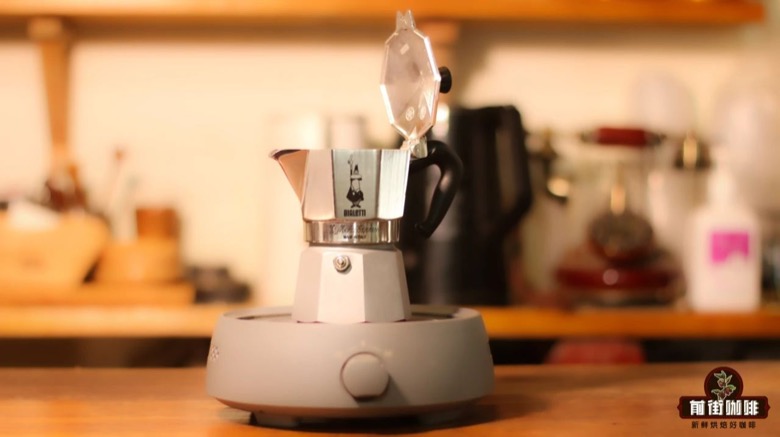
When it comes to choosing the right coffee beans for your Biletti Moka Pot, you can put the complicated information aside. Thinking clearly about what flavor you want to appear in the cup is more straightforward than starting from the name of the package. Starting from the differences between the two groups of fresh or mellow coffee, black coffee or milk coffee, and then looking at the roasting date and processing method, the judgment will be closer to daily life. water quality
Read more →
Single-origin beans and blended beans are suitable for slowly establishing judgment based on taste experience. Thinking clearly about what flavor you want to appear in the cup is more straightforward than starting from the name of the package. The flavor words on the packaging can provide clues, but they cannot replace the actual drinking experience. Whether the acidity is soft, whether the sweetness is sustained, and whether the taste is smooth are all worth paying attention to.
Read more →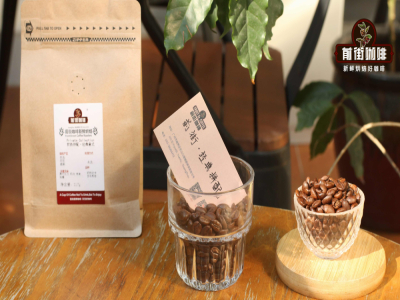
When it comes to making espresso at home, determining the freshness and taste preferences of the coffee beans in the blend is most critical. Italian blended coffee is also called mixed coffee. Simply put, it is a coffee that has been professionally prepared by a barista and mixed together different coffee beans to achieve a specific flavor. The more traditional blending goal is nothing more than flavor ratio
Read more →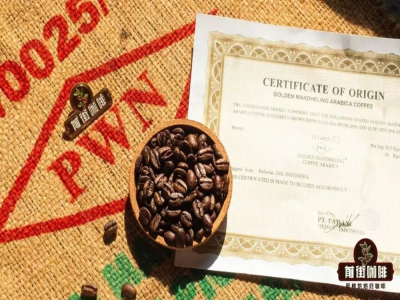
Traditionally, no matter which country/producing region, coffee is almost always dark roasted, so it often leaves an "unforgettable" impression. But as the concept of "specialty coffee" was proposed in the millennium, Yirgacheffe also appeared at this time. Not only does it not have the unbearable bitter taste, it even has an excellent white color.
Read more →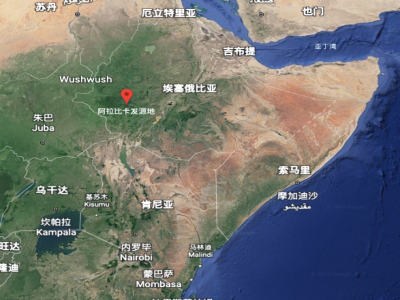
With the popularity of the concept of specialty coffee, it has become people's consensus to emphasize the regional flavor, that is, the taste of the beans themselves, at least in part. The third wave after 2000 emphasized origin and light roasting flavor. Coffees from many origins are becoming more and more familiar. Among them, Kenyan coffee is known for its bright acidity.
Read more →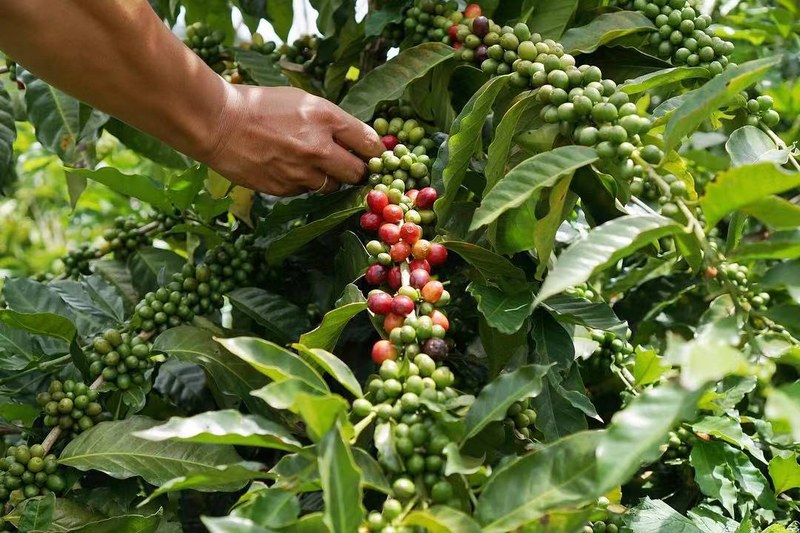
Blend beans and SOE are not a comparison of flavor, but two different drinking experiences. Blend beans combine the aroma, sweetness and thickness of different beans, and usually pay more attention to overall coordination; SOE focuses on a single origin or a single batch, allowing a cup of coffee to present more distinctive regional and variety characteristics.
Read more →
As one of the most representative specialty coffee beans in Ethiopia, the popularity of Yirgacheffe has always been high. Whether it is coffee connoisseurs who have been drinking it for many years or novices who are just getting started, they all prefer it. Why is Yirgacheffe so popular? Let’s first take a look at three Yirgacheffe styles with different styles: ① Previous
Read more →
For more knowledge about specialty coffee, please follow the WeChat public account: FrontStreet Coffee. For washed coffee, FrontStreet feels like a breeze in summer, refreshing! How can you not mention Ethiopian Yirgachue for washed coffee?
Read more →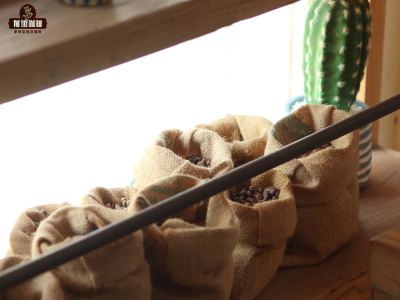
Recently, there are regular customers who often come to the Front Street store to buy Front Street Italian blended coffee beans. However, new customers who come to Front Street are very puzzled. They don’t know why the baristas of Front Street Coffee mix several types of beans for sale. In fact, this is a blend of coffee beans, also called a blend.
Read more →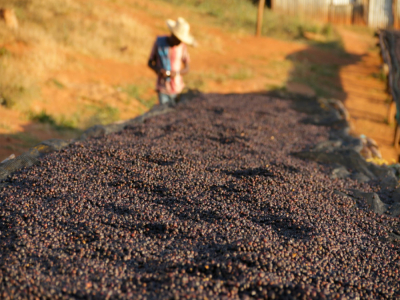
Ethiopia Ethiopia is a holy land for coffee lovers. This country is the birthplace of coffee and is now the largest producer of Arabica coffee in Africa. For more knowledge about specialty coffee, please follow the WeChat public account: FrontStre Coffee
Read more →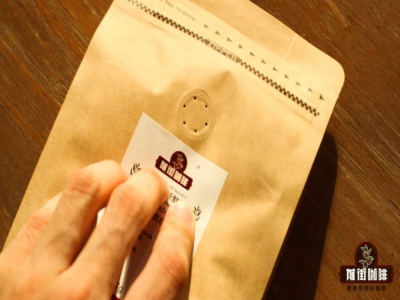
Many friends left messages saying that they don’t know how to choose coffee beans, or don’t know how to tell whether the coffee beans they buy are fresh. So today Front Street Coffee teaches you how to choose coffee beans. Next time you buy coffee, you won’t be afraid of buying unsuitable or stale coffee beans. Next, let’s take a look at the most basic requirements for choosing coffee beans.
Read more →Be the first to know about new bean releases, brewing tips, promotions and cupping notes

Scan to Follow Front Street Coffee on WeChat
